

Shellcracker, also known as redear sunfish, are one of the most rewarding freshwater fish to target on Lake Seminole. They grow larger than most panfish, fight harder, and tend to bite with purpose rather than constantly pecking at bait.
That said, many anglers struggle with one key issue. They fish the right lake, but not the right time or depth. On Lake Seminole, those two factors matter more than lure choice or even location.
Let’s break it down in a practical way that helps you fish smarter, not longer.

When Are Shellcracker Most Active on Lake Seminole?
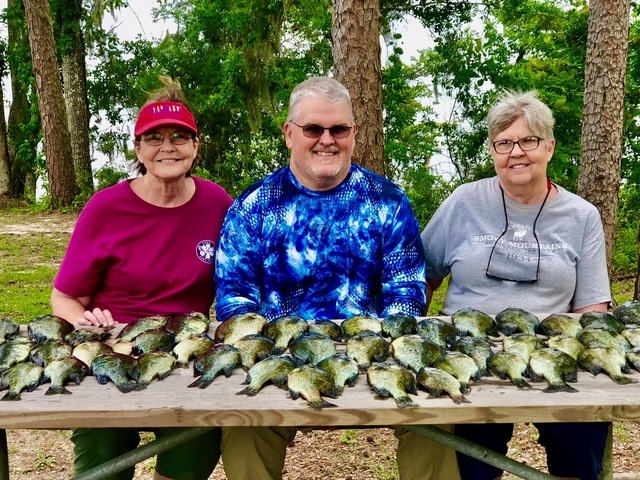
Shellcracker fishing in Lake Seminole is strongly tied to water temperature and spawning behavior.
Prime Season: Late March Through May
The most productive shellcracker fishing typically begins once water temperatures settle between 65 and 75 degrees Fahrenheit. This usually happens from late March into early May, depending on the weather.
During this window:
- Shellcracker move shallow to spawn
- Fish group tightly together
- Bites become more aggressive and consistent
This is the period many local anglers plan their trips around, especially around the full and new moon phases, which often trigger spawning activity.
For a broader seasonal breakdown, this topic pairs well with your internal article “Complete Guide to Shellcracker Fishing on Lake Seminole: Best Spots & Tips.”
Summer and Fall Patterns
- Summer: Fish slide back into deeper water to escape heat
- Fall: Feeding increases again as water cools, though fish are more spread out
You can still catch quality fish, but timing becomes more important. Early mornings and late afternoons usually outperform mid-day hours during warmer months.
What Depth Should You Fish for Shellcracker?
Spawning Depths
During peak spawning:
- Focus on 3 to 8 feet of water
- Sandy or gravel bottoms matter more than cover
- Look near shallow flats adjacent to deeper water
Shellcracker build beds close together, so once you catch one, slow down and fish that area thoroughly.
Post-Spawn and Warm-Water Depths
- Fish commonly move to 8 to 15 feet
- Drop-offs near creek channels become productive
- Shell beds and firm bottom areas hold fish longer
Using a depth finder helps, but even without electronics, slow drifting with bottom-oriented rigs can reveal the strike zone.
If you are experimenting with presentations, your article “Choosing the Perfect Lure: What Works Best for Lake Seminole’s Waters” fits naturally alongside this strategy.
Does Time of Day Matter for Shellcracker Fishing?
- Morning: Best during warmer months when fish feed before the heat builds
- Midday: Can be productive during spring spawn due to stable light and warmth
- Evening: Works well near drop-offs as fish move to feed
Unlike some panfish, shellcracker do not rely heavily on low-light conditions. They care more about water temperature and bottom structure.
Common Questions Anglers Ask Before Targeting Shellcracker
Do shellcracker stay in one area all day?
Are shellcracker picky about bait?
Is shellcracker fishing allowed year-round in Georgia?
For more regulation-related questions, your internal post “Top Frequently Asked Questions About Lake Seminole Fishing” fits well here.
Reading the Water Matters More Than Speed
Many strong bites come after several quiet minutes.
Conclusion
If you want local insight, seasonal timing, and depth strategies tailored to current lake conditions, get in touch with a Lake Seminole Fishing Guide today and plan a trip that puts you on the right fish at the right depth.

